My Projects
A selection of engineering work and designs.
Parametric Box Girder
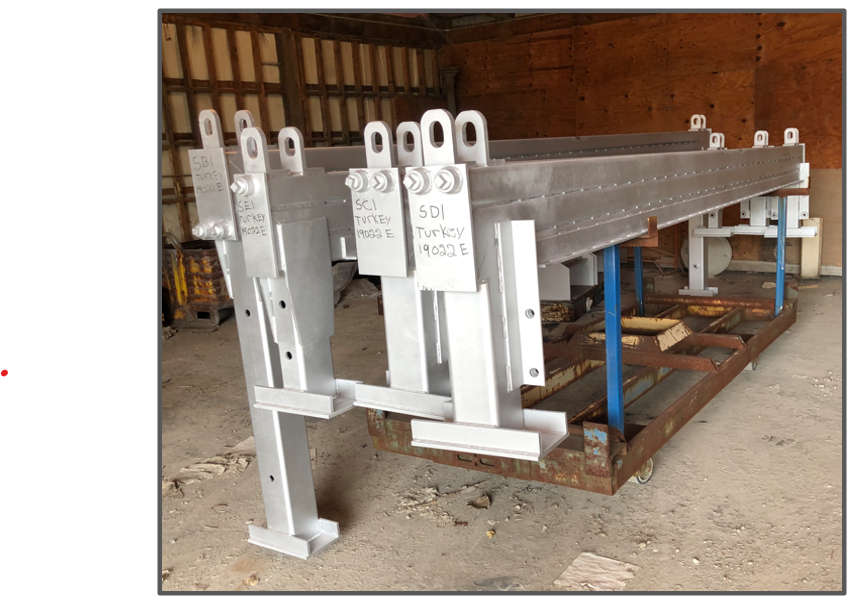
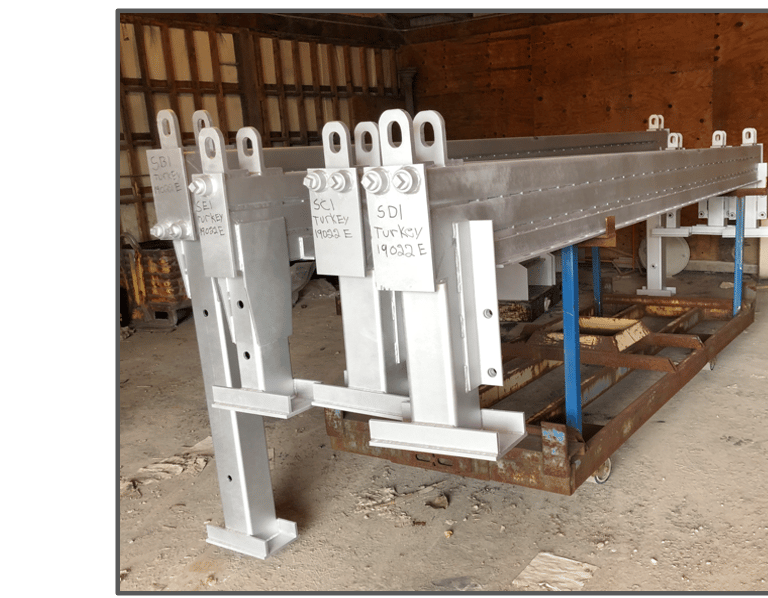
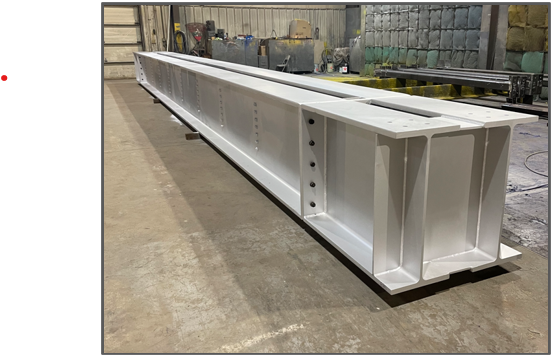
Built a parametric 3D box-girder model from legacy 2D drawings.
TTS Work Instructions
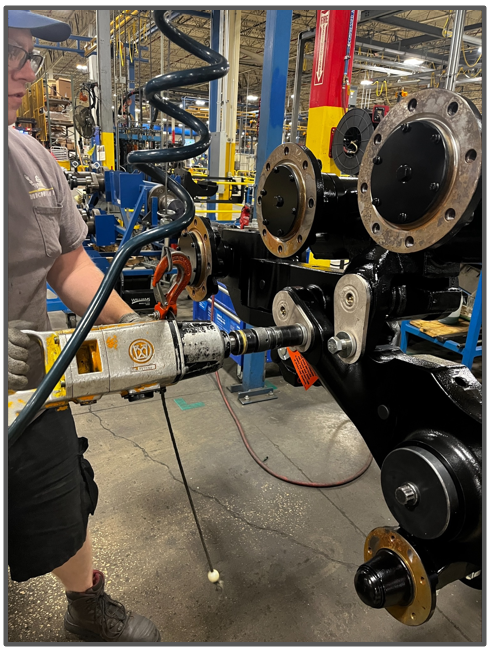
Developed clear, standardized work instructions for undercarriage assemblies.
PFMEA Formatting & Analysis
Parametric Water Cooled Waist Cover
Updated and standardized PFMEAs by converting legacy RPN files to the new AP format.
Parametrized a frequently used waist-cover assembly to improve adaptability for production.
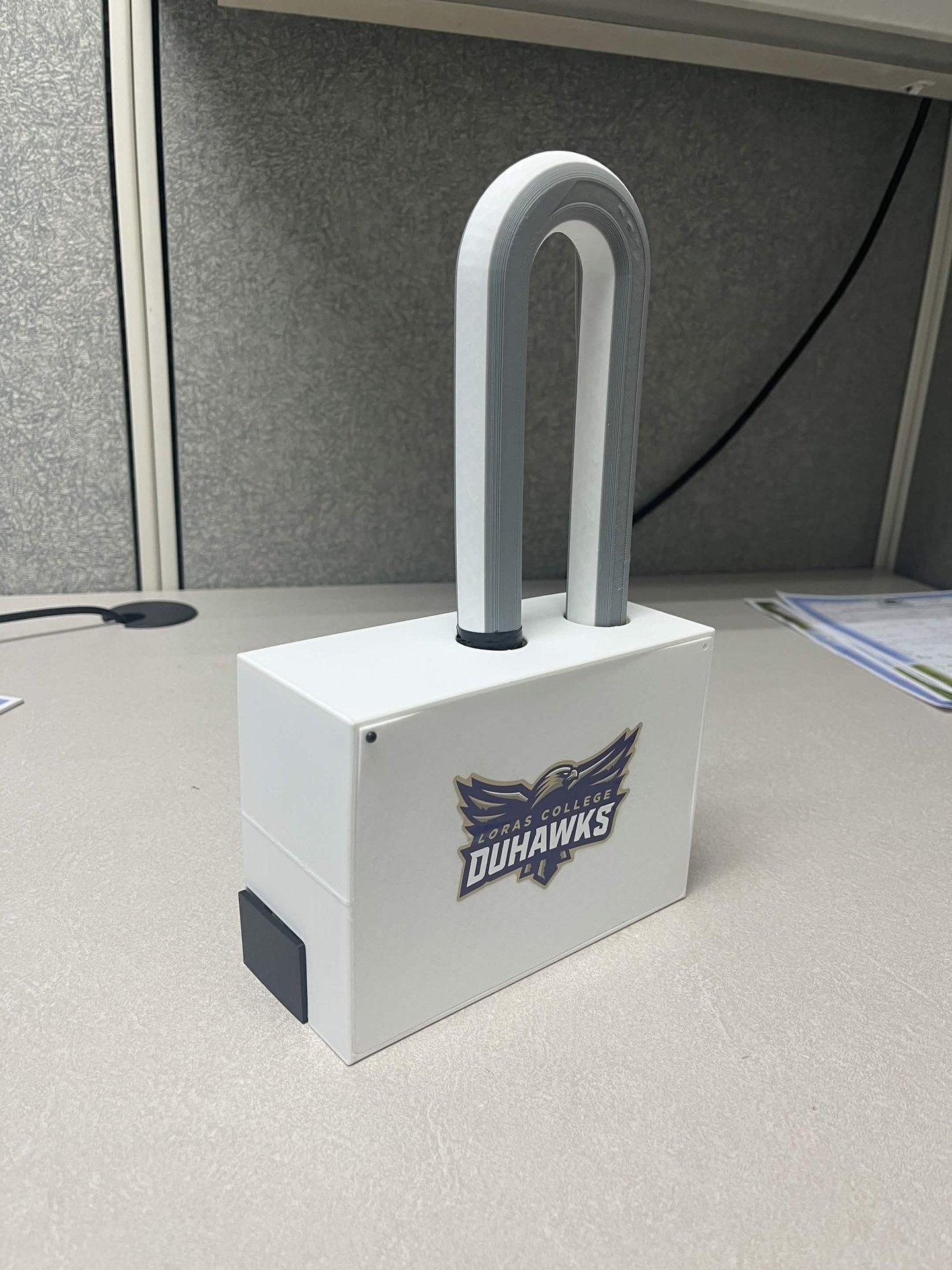
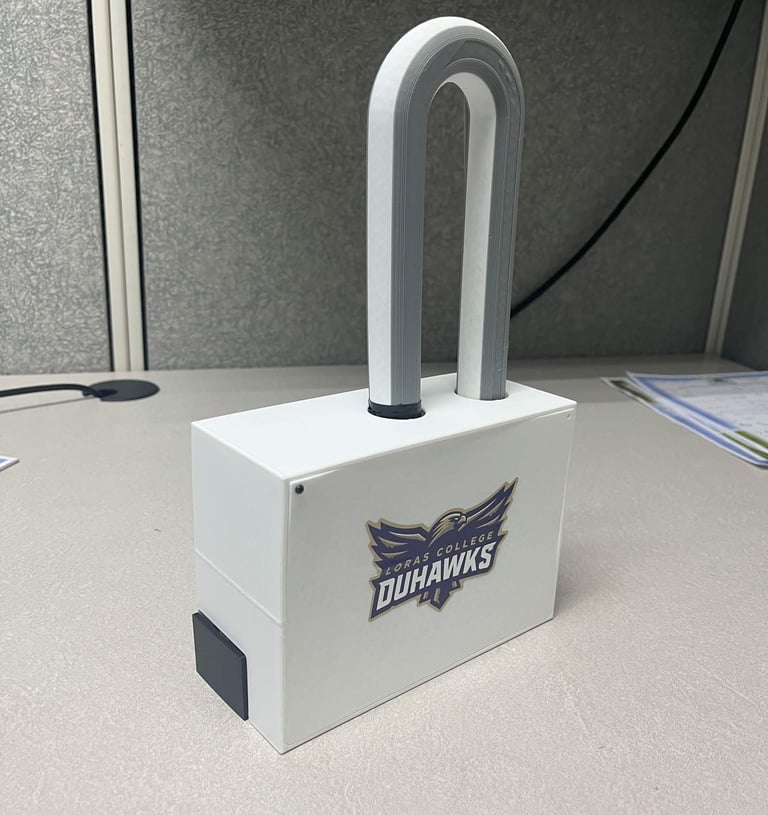
TrailLock - Senior Capstone
Built a working prototype of a smart U-bike lock designed to combine strong physical security with modern tracking and wireless access
Parametric Box Girder
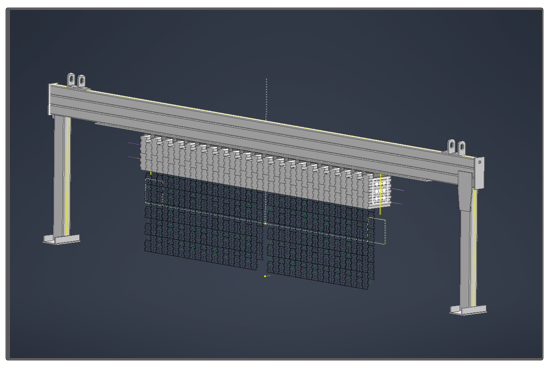
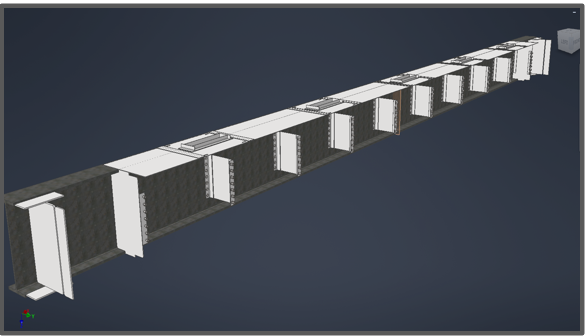
With the industry shifting from 2D drafting to 3D parametric modeling, more customers began requesting 3D versions of existing company designs. To support this transition, I converted legacy 2D drawings into adaptable 3D models by developing a fully parametric box girder in Inventor, which allowed simple, clean CAD files to be generated and sent directly to customers.
Solution/Results:
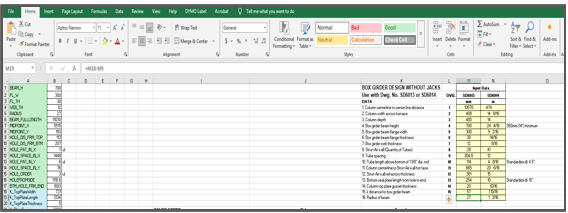
I addressed the model issues by rebuilding parameter relationships, fixing the unit mismatches, and reorganizing dependencies so that every part updated according to its dependency across all girder configurations. I refined the logic statements to correctly handle even/odd plate conditions and streamlined the parameter table to prevent future update failures. By carefully interpreting the 2D AutoCAD drawings and crosschecking each configuration, I made the box girder model automatically adjust to dimensional changes and top plate variations. Ultimately, the project produced a stable, fully parametric model usable across all downcomer designs while significantly improving my proficiency with Inventor and advanced parametric modeling techniques.
Challenges:
The biggest challenge I faced was getting the parameters to update reliably across the different configurations and its dependency issues from the Excel document. Adding logic-based behavior, like even/odd plate conditions, also required restructuring early versions.
Overview/Objective:
Shawn Egbon
678-755-9190 – Nosashawn@gmail.com
Overview/Objective:
678-755-9190 – Nosashawn@gmail.com
Shawn Egbon
TrailLock - Smart Bike Lock
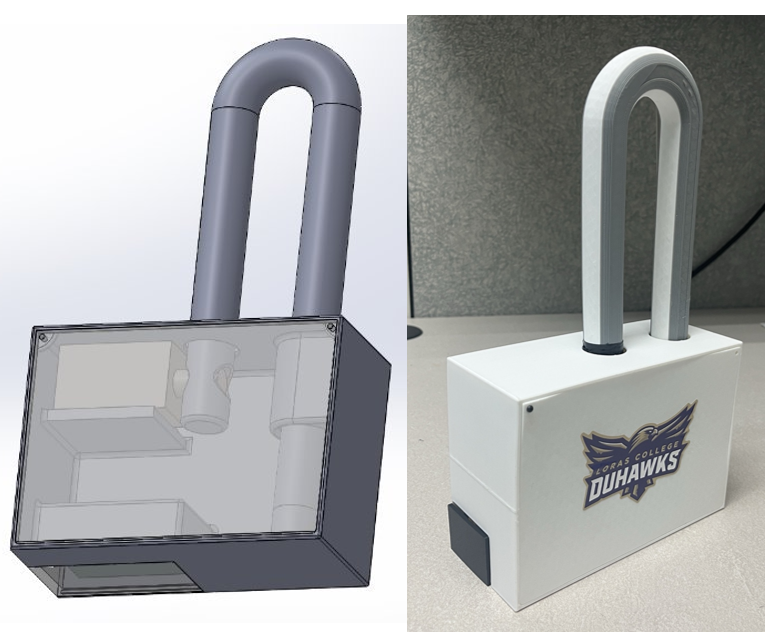
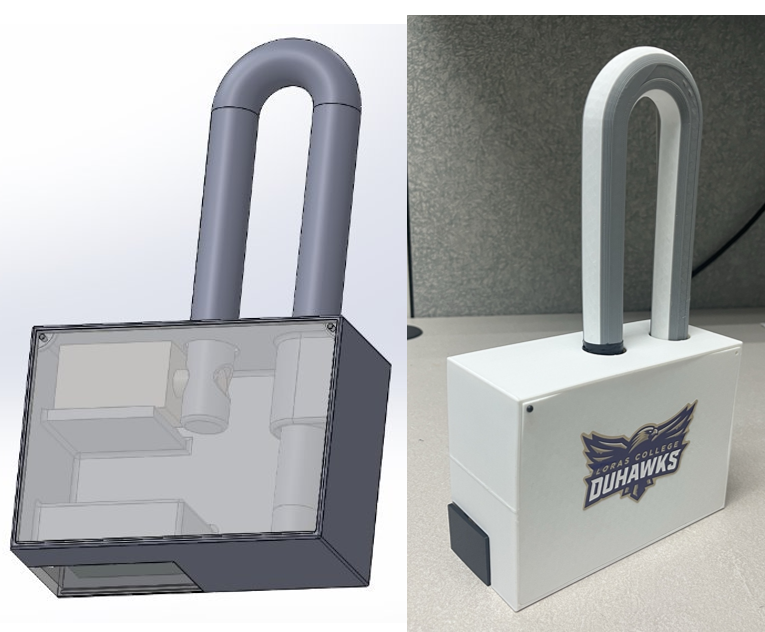
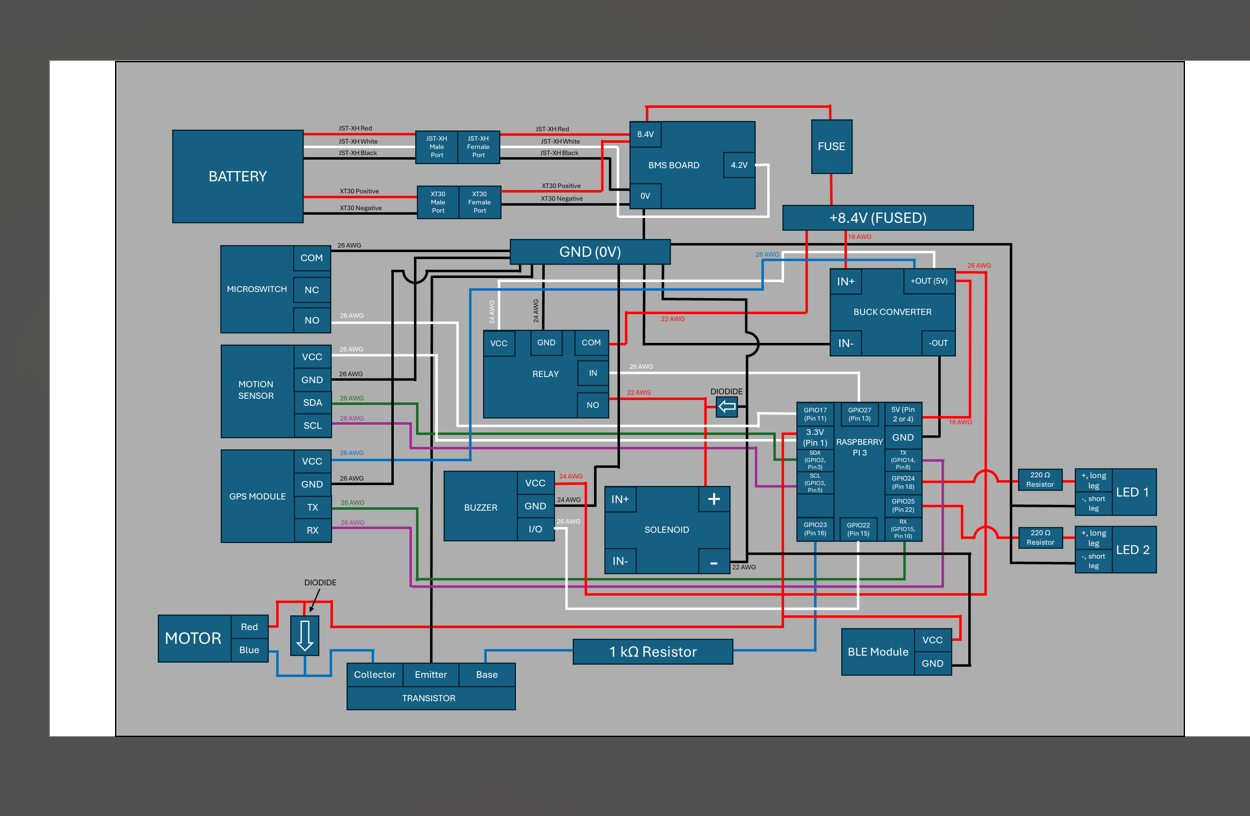
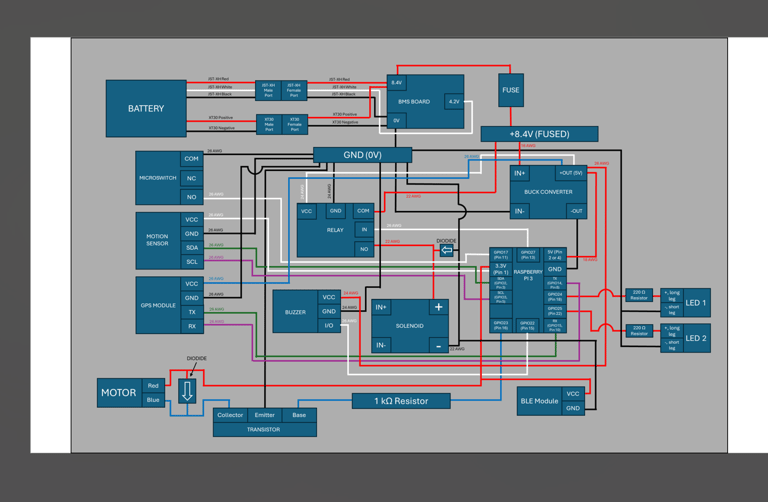
TrailLock is a smart U-lock designed to combine mechanical strength with modern technology. The objective was to create a durable, affordable lock that resists physical theft while adding features like Bluetooth unlocking, GPS tracking, and tamper detection for improved real-world security and usability.
Challenges:
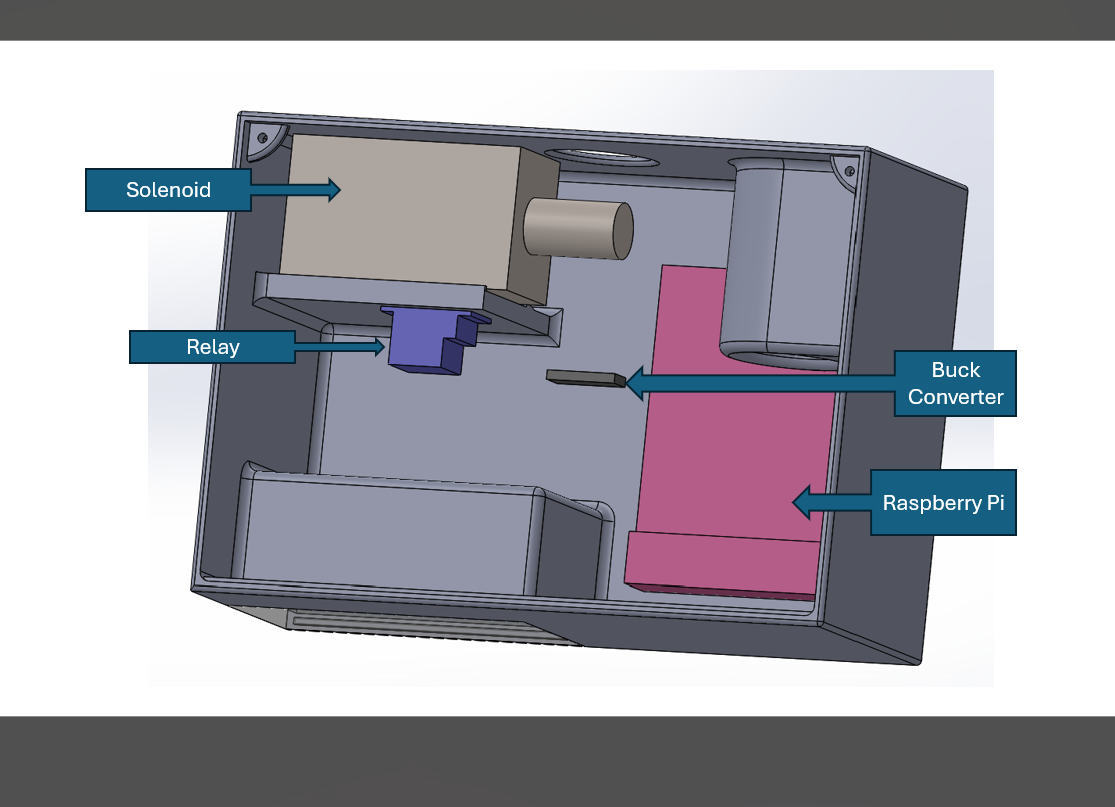
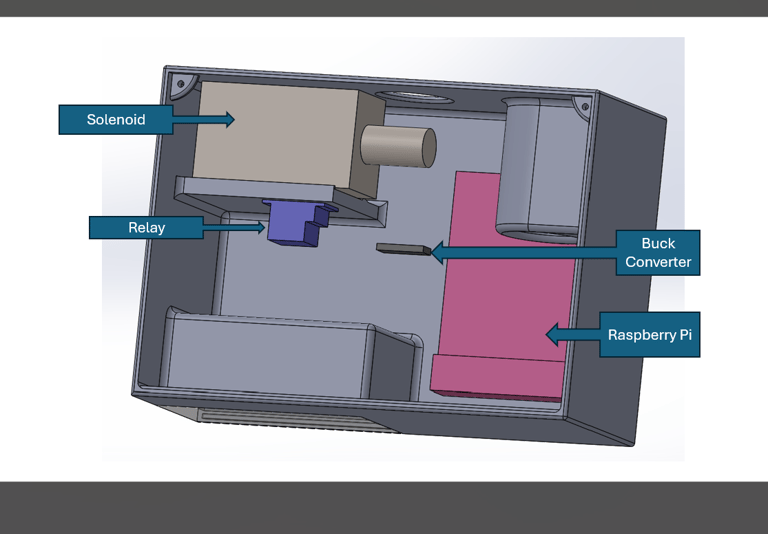
One of the main challenges was integrating electronic components into a compact and rugged housing without compromising structural integrity. Power management was also a key issue, as the system needed to support a Raspberry Pi, GPS module, and sensors while maintaining reasonable battery life across varying environmental conditions. Additionally, ensuring reliable communication between hardware components (Bluetooth, solenoid actuation, and sensors) and achieving consistent performance under vibration, weather exposure, and repeated use required extensive testing and iteration.
Solution/Results:
The team developed a fully functional working prototype using 3D-printed components, with the final design intended to be manufactured from hardened steel for enhanced durability and security. The system uses a Raspberry Pi-controlled solenoid for locking, along with Bluetooth access, GPS tracking, and vibration-based tamper alerts. Powered by a rechargeable battery, the prototype demonstrated reliable operation and validated TrailLock as a practical smart locking solution.
TTS Work Instructions
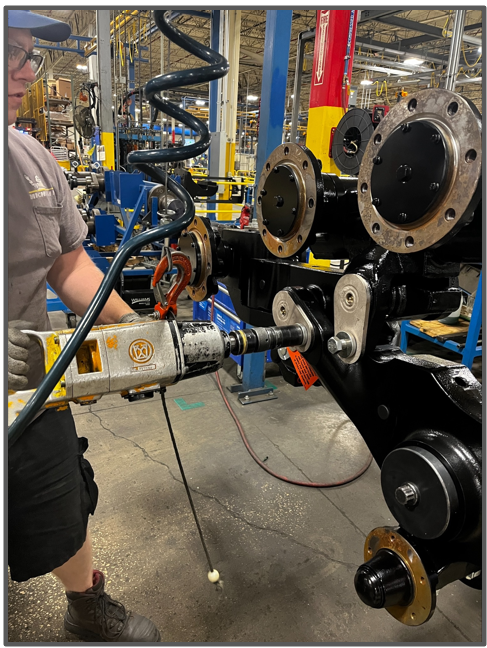
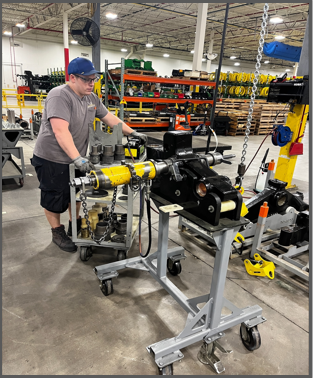
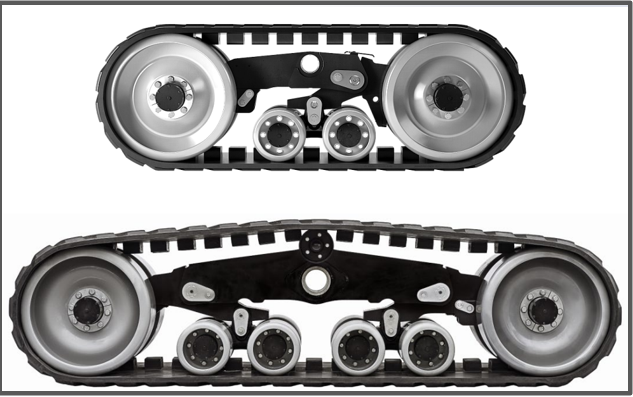
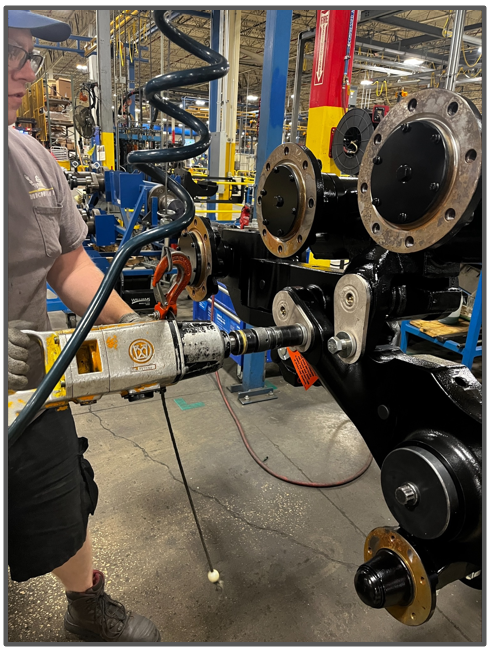
I updated and standardized work instructions for multiple undercarriage product lines by observing production processes, documenting critical steps, and capturing supporting photos. Using Windchill, Creo drawings, and Excel, I translated complex assemblies into clear MOS-format instructions to improve the efficiency across my team.
Solution/Results:
To address these issues, I spent more time on the production floor to verify each assembly step and ensure every variation was captured correctly. I worked directly with operators, engineers, and quality staff to confirm the high-risk steps. By aligning revisions, and confirming proper torque procedures, I delivered a new reliable Work Instructions that matched both engineering intent and actual production-floor practice.
Challenges:
One of the biggest challenges was learning the detailed assembly differences between each undercarriage model, which meant spending a lot of time on the floor to document steps accurately. Converting everything into the new MOS format was also tough because many of the old instructions were outdated or inconsistent. Identifying the true high-risk or high-variability steps required working closely with operators, engineers, and quality staff.
Overview/Objective:
Shawn Egbon
678-755-9190 – Nosashawn@gmail.com
PFMEA Formatting & Analysis
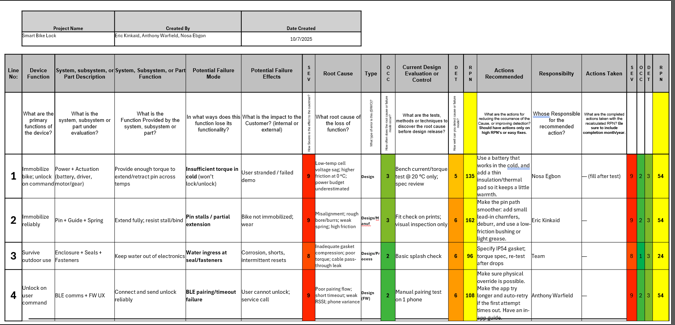
The goal of this project was to update all the older PFMEA files that were outdated at Michelin, and I converted the older RPN-based formats into the updated AP format, standardized the layouts, and rebuilt the templates for more clarity. I created new PFMEAs from scratch, organized large sets of existing files on Excel, and verified accuracy by comparing drawings, inspecting parts on the production floor, and collaborating with engineers and quality teams.
Solution/Results:
I leaned heavily into improving my Excel coding skills. I taught myself advanced Excel functions, data validation, and basic scripting to speed up repetitive formatting tasks. By building efficient Excel workflows, I was able to convert all RPN-based PFMEAs into the new AP format, standardize colors, columns, and layouts, and rebuild several PFMEAs completely from scratch. These improvements significantly streamlined the company’s PFMEA library, made the files easier to read and update, and provided a clean, consistent format for engineering and quality teams moving forward.
Challenges:
The biggest issue I faced was size of the project; It was thousands columns on excel that needed formatting and I had to figure out a more optimal way of formatting everything without just going column by column as it would have wasted too much time and not allowed me to meet my deadline.
Overview/Objective:
Shawn Egbon
678-755-9190 – Nosashawn@gmail.com
Parametric Water Cooled Waist Cover
My engineering supervisor came to me after seeing how successful I was with parametrizing a previous project and wanted me to do the same on one of the assemblies used frequently in production. The goal was to make an adaptable design of the entire waist cover so that the non-engineering department could have an easier time accessing this assembly with how variable it can be.
Solution/Results:
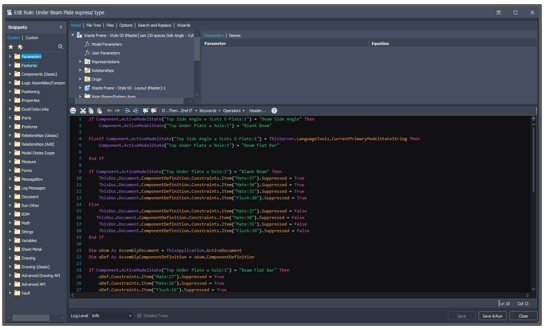
I addressed this issue by consulting with a supervising engineer who had better knowledge of the assembly than I did, and through working with him, I began to use iLogic coding in the parametric to make changes to the model automatic.
Challenges:
The biggest issue I faced with this was figuring out all the dependencies associated with each part and the reasoning behind why some things needed to change in sync with some other parts and others stayed the same.
Overview/Objective: